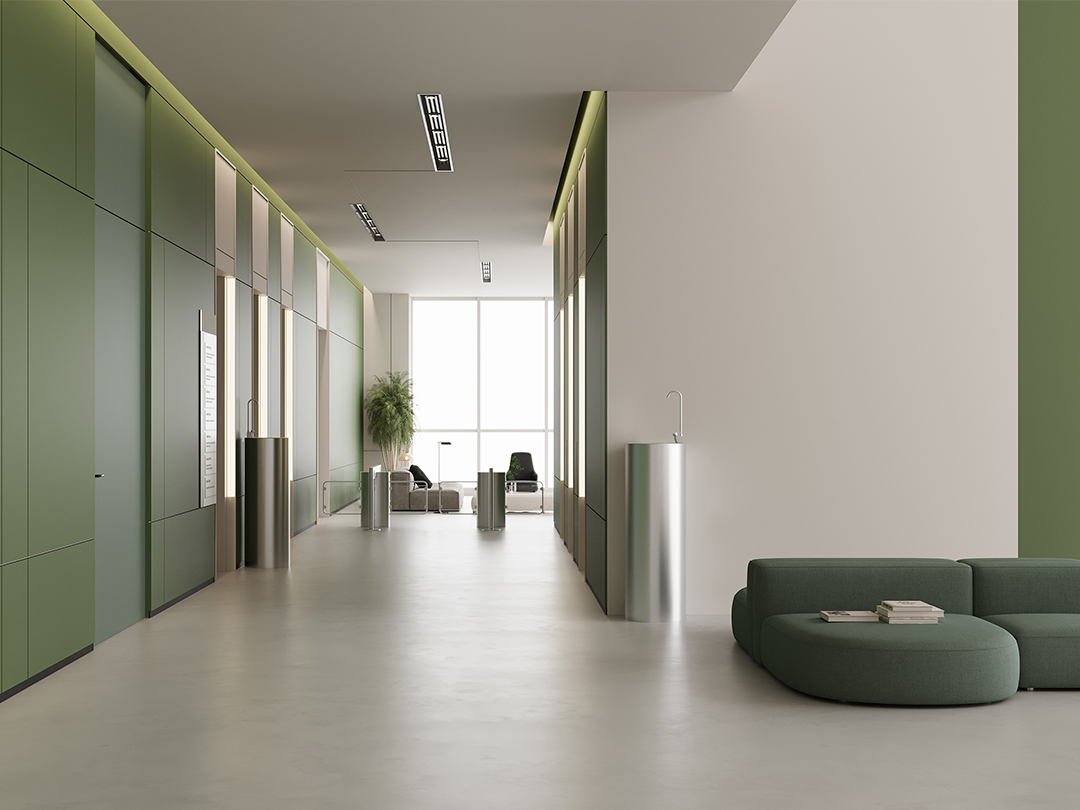
In the design of spaces, beyond aesthetics and functionality, people’s well-being has become a key factor. This is especially relevant in bathrooms and sanitary spaces, where the user experience is directly linked to sensations such as comfort, safety, cleanliness and tranquillity.
In this context, Well-Being Design is presented as a strategic approach to creating environments that take care of people in a comprehensive way.
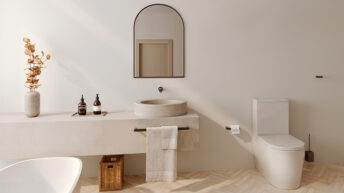
What do we mean by Well-Being Design?
Well-Being Design is a people-centred design philosophy that seeks to generate calm and physical and emotional well-being through functional, accessible and sensorially caring spaces.
Various studies show that the environment directly influences how we feel: a review published in the International Journal of Environmental Research and Public Health confirms that factors such as lighting, acoustics and the quality of space can reduce stress and improve psychological well-being.
The role of design in bathrooms and sanitary facilities
Bathrooms are key spaces in any building, although they are often overlooked. However, the user experience in these spaces has a direct impact on their overall perception of the place and the brand.
As explained in one of the articles on the Mediclinics blog about user perception in public toilets, seemingly invisible elements such as tidiness, hygiene and ease of use have a decisive influence on the final experience.
Applying Well-Being Design criteria in these spaces transforms a routine action into a comfortable, safe and pleasant experience.
Key points for applying Well-Being Design in bathrooms
1. Ergonomics and accessibility for all users
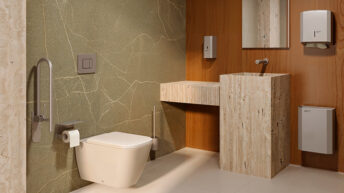
Well-being begins when a space can be used comfortably and safely by anyone. The integration of accessible solutions, such as grab bars, folding seats or handrails, not only complies with regulations, but also provides peace of mind, autonomy and confidence to the user. These elements are essential for creating inclusive spaces in line with Well-Being Design.
2. Contactless hygiene: less friction, more well-being
Reducing contact points is key to improving perceptions of hygiene and safety. Contactless hand dryers, automatic soap dispensers and pedal bins contribute to a more comfortable and peaceful experience, especially in high-traffic environments.
These types of solutions reinforce the feeling of control and care, two fundamental aspects of well-being-oriented design.
3. Accessories that provide order and clarity
Visual order and proper organisation of space reduce stress and facilitate bathroom use. Well-designed accessories such as toilet paper dispensers, toilet brush holders, waste bins, and sanitary towel dispensers help keep the space clean, functional, and visually balanced.
Stainless steel bathroom accessories or those with careful finishes convey hygiene, robustness and reliability, reinforcing the positive perception of the space.
4. Materials and finishes that convey cleanliness
The choice of materials is key in the application of Well-Being Design. Easy-to-clean, resistant and durable surfaces, such as stainless steel, generate confidence and improve the hygienic perception of the environment.
In addition, neutral and timeless finishes contribute to creating calm and pleasant spaces.
5. Intuitive design and seamless experience
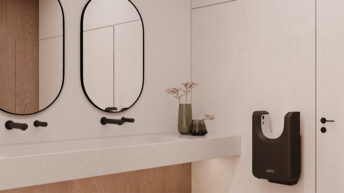 A well-designed bathroom guides the user naturally. The correct placement of accessories, visual consistency and ease of use of each element allow for a seamless experience, without confusion or effort. This intuitive design is key to creating a lasting sense of well-being.
Mediclinics equipment in line with Well-Being Design
Mediclinics offers a wide range of solutions that fit perfectly with the principles of Well-Being Design in bathrooms and hygienic spaces. Automatic hand dryers, automatic soap dispensers, pedal bins, grab bars, folding seats and nappy changing tables are examples of equipment that improve the user experience from a functional and emotional perspective.
These accessories, coherently integrated into the space, help to create safer, more accessible and hygienic environments, where every detail is designed for people’s well-being.
Conclusion
Applying Well-Being Design in bathrooms and sanitary spaces goes far beyond aesthetics. It is about designing environments that care for people, reduce stress and convey feelings of safety, cleanliness and comfort.
With Mediclinics’ accessories, materials and functional solutions, it is possible to transform these spaces into environments that are aligned with the real needs of the user. At Mediclinics, we believe that focusing on well-being in bathroom design not only improves the experience, but also reinforces the perception of quality and commitment of any space or brand.